Rollout Inline Challenges & Progression System
How map levels, challenge batches, and unlocks structure your Early Access grind.
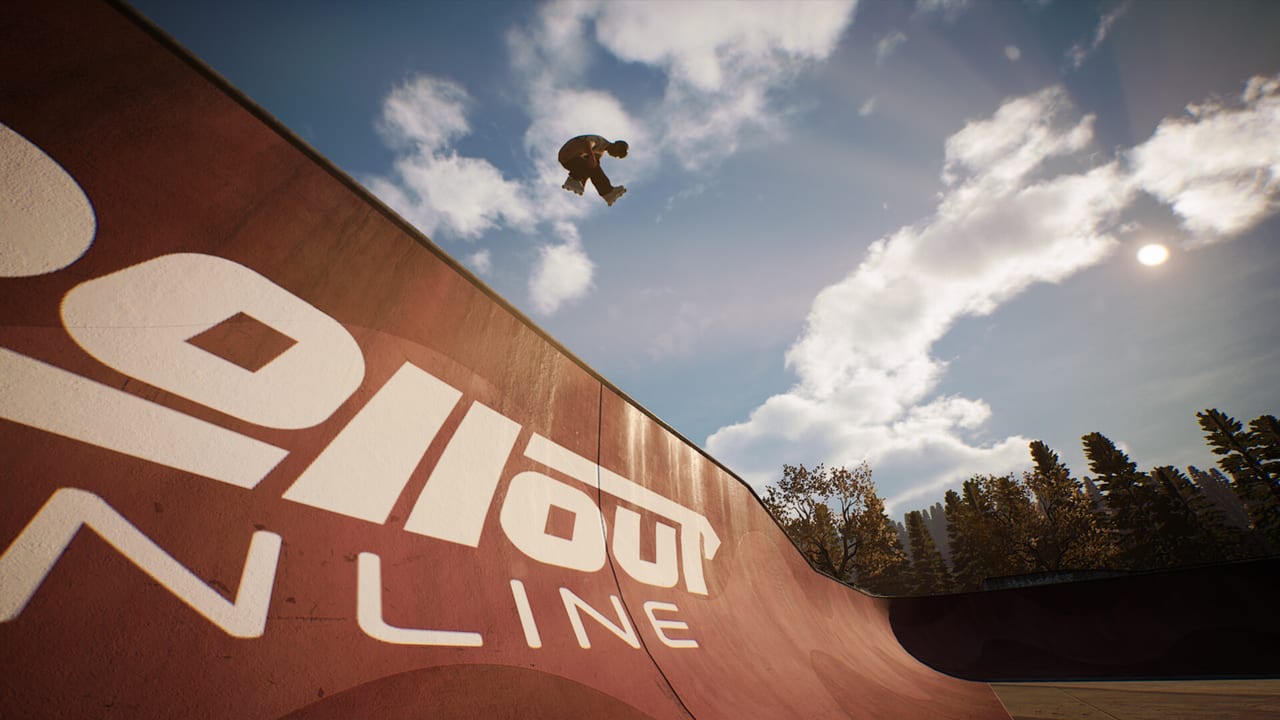
Rollout Inline’s progression is built around skating better on the same parks, not opening a twenty-hour campaign map. Challenges appear on every map. Finish a batch, raise that map’s level, and a new, harder set appears—while earlier challenges stay replayable. Clothing unlocks as you progress; skate customization stays available anytime. This page explains how to use that loop without burning out or soft-locking your confidence on difficulty spikes.
Pair it with Getting Started if you are brand new, and with Maps Overview when you choose where to push the next level.
The loop in plain language
- Enter a map and open its challenge board.
- Complete the current batch of objectives.
- The map levels up.
- A tougher batch appears.
- Replay any earlier challenges for practice, style, or fun.
- Clothing unlocks accumulate through that progression.
- Customize skates whenever you want—no unlock wall.
Because the game is single-player Early Access, this loop is the primary long-term carrot alongside freestyle mastery and replay clips. There is no multiplayer rank to chase on day one.
How to read a challenge batch
Before skating, translate each objective into a mechanic:
- Rail or grind language → dual-stick foot drills from Controls
- Slide language → cess slide connectors in Tricks and Grinds
- Air / grab / spin language → right-stick pop timing plus left-stick rotation control
- Vert / plant language → pump and coping patience on ramps and pools
If a batch mixes three families you have not practiced, do not start with the hardest pin. Free-skate the weakest family for ten minutes, then return. Challenges are tests; free skating is study hall.
Map levels as difficulty chapters
Each map level is a chapter that assumes more competence. That does not mean you must clear chapters in lockstep across all three launch parks. It is often smarter to push one map two levels deep so clothing unlocks keep arriving, while using a second map as a “playground” at a lower level for experimental lines. The third map can wait until you specifically want its feature mix—long rails versus vert-heavy layouts, for example.
Harder batches will demand cleaner entries, longer holds, tighter landings, or more ambitious links. When fail rates spike, drop into replayable earlier challenges and clean them up. The design explicitly keeps those available so progression never deletes your practice tools.
Clothing vs skates
Clothing items unlock by progressing. Treat new fits as milestones, not the only reason to play. Skates can be reskinned freely whenever you like, which is perfect for visibility in the replay editor—high-contrast wheels and frames make foot angles easier to audit after a missed grind. Full customization notes live on Character and Skates and the Customization Hub.
Difficulty settings and optional balancing
Global difficulty and optional balancing change how strict the same challenges feel. If a new map level suddenly feels cruel, check whether you recently enabled stricter options. Learning a batch on a kinder setting, then repeating it colder on a harder setting, is a valid mastery path—especially during Early Access while you are still carving dual-stick muscle memory.
Session templates that respect the system
Unlock session (45–60 minutes): warm up on flat and one familiar rail, attempt current batch objectives in easiest-to-hardest order, stop after the level-up or after two tilted failures, celebrate with a clothing check.
Style session (30–45 minutes): ignore new pins; replay earlier challenges or free-skate linked lines; record two clips in the replay editor; optionally match moves against the ladder in Trick Difficulty.
Scout session (20–30 minutes): ride a less-used launch map with challenges closed, note rails, gaps, vert, and pools for later batches, then skim Maps Overview to plan the next unlock session.
Common progression mistakes
- Rushing every map evenly and staying bad at everything instead of getting good somewhere.
- Skipping replays of earlier challenges, which wastes the best practice content in the game.
- Chasing clothing only, then wondering why harder batches feel impossible.
- Blaming the park for input or FPS issues—fix pads and frame rate via Controller Setup and System Requirements first.
- Expecting a finished live-service treadmill. This is a solo-dev Early Access skating sandbox with a planned EA window toward Q3/Q4 2027; pace yourself for a long craft, not a weekend clear.
Tracking your own growth
Keep a simple note: map name, level, batch themes that spanked you, and one drill that helped. When MLMEDIA ships patches, compare notes against Updates and Early Access Launch. Progression design may gain new maps or challenge types later; your dual-stick fundamentals will transfer.
Related pages
- Tricks and Grinds — mechanic drills that feed objectives
- Maps Overview — where batches live
- Guides Hub — full guide index
- Game Overview — feature context for EA buyers
Clear batches on purpose. Level maps on purpose. Replay old challenges on purpose. That is the progression system working as designed.
Frequently Asked Questions
Quick answers for aggressive inline players.
What happens when I finish a challenge batch?
Your map levels up and a harder challenge set appears. Earlier challenges remain replayable.
Do challenges unlock skates?
Clothing unlocks through progression. Skates can be customized freely anytime—see Character and Skates.
Should I level all three maps at once?
Not necessarily. Pushing one map deeper while using another for free practice is often smoother in Early Access.
Can I replay old challenges after leveling up?
Yes. Earlier level challenges stay available, which is ideal for style practice and confidence building.
What if a new batch feels impossible?
Free-skate the weak mechanic, replay easier challenges, or ease difficulty/balancing before retrying the pins.