Rollout Inline Tricks, Grinds & Line Building
Turn dual-stick foot placement into rails, slides, grabs, rolls, and handplants that actually link.
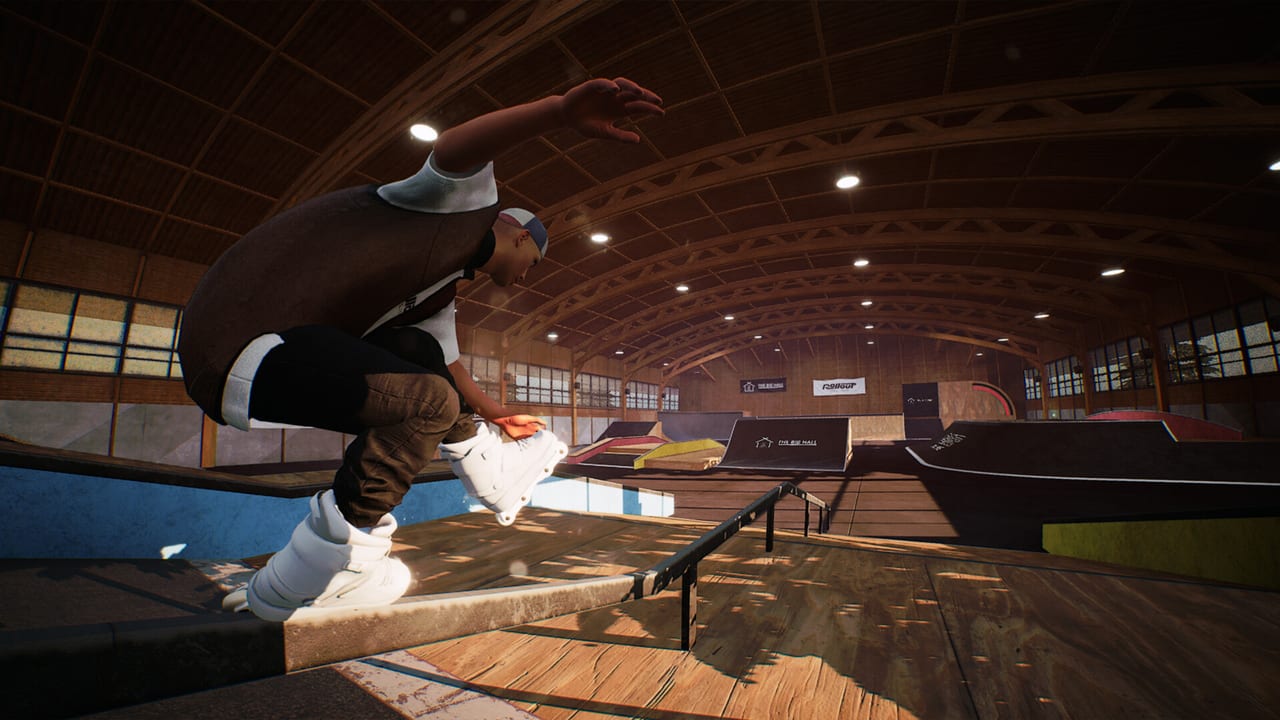
Stylish skating in Rollout Inline is not a trick menu flex—it is timing, momentum, and foot placement. This guide takes the dual-stick fundamentals from Controls and turns them into practical drill families: grinds, cess slides, free spins and flips, air grabs, toe/heel rolls, and handplants. The preview embed above captures why so many players call the inline feel special; use it as inspiration, then build the same ideas slowly in your own parks.
Early Access ships three maps with gaps, long rails, vert ramps, and pools. Every feature on that list exists to support lines, not isolated screenshot tricks. If you are still unstable on flat ground, return to Getting Started before forcing advanced plants.
Grind families first
Treat grinds as the curriculum core. Because each stick maps to a foot, you can explore a wide stance catalog without memorizing forty named buttons. On a medium rail:
- Enter with speed you can still steer.
- Establish a stable dual-stick hold.
- Ride the full length without decorative spin.
- Exit to flat and roll out.
- Repeat while changing only one foot angle mid-rail.
That single-variable approach teaches cause and effect. When you can hold and exit, add a small left-stick spin on entry or exit—not both at once. Long rails on the launch maps are perfect classrooms; scout them via Maps Overview.
Cess slides as connectors
Cess slides are how stylish players change facing, scrub speed with intent, and bridge two obstacles without dead rolling. Practice slides as exits from easy grinds before you try them as entries. A clean slide that leaves you pointed at the next rail is worth more than a flashy slide into a ragdoll. Optional balancing, if enabled, will punish sloppy slide exits—use that feedback or disable balancing while learning the motion.
Air game: spins, flips, and grabs
Right-stick jumps open the air game. Free spinning and flipping should start as small, readable rotations you can land rolled. Over-rotating because a gap looked cinematic is the fastest way to train bad timing. Once 180 and 360 landings feel boring, layer air grabs. Grabs are style and control tools: they communicate commitment in replays and can stabilize how a spin reads mid-flight.
Drill on a modest hip or short kicker before moving to bigger gaps. Film failures in the replay editor—Rollout Inline includes one for a reason—and watch whether you opened the grab too late or drifted off-axis with the left stick.
Toe rolls, heel rolls, and transition manners
Toe and heel rolls are the connective tissue for awkward compressions, banked landings, and stylish transition riding. They shine when a clean carve is impossible and you need to keep wheels tracking. Practice rolls on quiet transitions inside pools and banks rather than mid-challenge. Once comfortable, use them to save lines that would otherwise die after a slightly long grind exit.
Handplants and vert confidence
Handplants reward players who already understand pump and lip timing. Approach vert ramps with speed management first: carve, pump, small airs, then plant attempts. A handplant is a conversation with the coping, not a panic button when you are too high. If plants feel random, simplify—remove spins, remove grabs, plant, drop in, repeat. Add rotation only when the plant itself is trustworthy.
Linking a line (the real skill)
A line in Rollout Inline is a sentence: approach, obstacle, exit, connector, next obstacle. Example homework on any launch map:
- Rail grind → cess slide exit → bank roll → right-stick pop → air grab → land → second rail.
Keep the sentence short until grammar is solid. Then visit the challenge board and pick objectives that resemble the sentence you practiced. That is how Challenges and Progression stops feeling like busywork and starts feeling like coaching.
Difficulty, ragdolls, and ego checks
Ragdoll physics make botched commitments funny and informative. If you ragdoll the same way three times, change one input—entry speed, foot angle, or spin amount—not everything. Raise difficulty only when your success rate on a drill exceeds boredom. The game’s difficulty settings and optional balancing exist so you can choose stricter feedback without rewriting the control scheme.
For a structured sense of what to learn in what order, use Trick Difficulty as a ladder. It ranks ideas from beginner riding through advanced plants and linked lines so you do not skip prerequisites.
Style, freestyle, and replays
Clothing unlocks through progression while skates stay freely customizable—useful when you want high-contrast setups that make foot angles obvious in the replay editor. Wardrobe details live under Character and Skates. In-game music and radio keep long practice sessions paced; treat them as session fuel, not a distraction checklist.
Related guides
- Controls — stick roles and settings alternatives
- Maps Overview — where to practice each trick family
- Challenges and Progression — turning drills into unlocks
- Guides Hub — full tutorial index
- Game Overview — feature list and EA context
Master one family per session. Aggressive inline mastery is compounding interest: boring clean grinds today fund ridiculous lines next month.
Frequently Asked Questions
Quick answers for aggressive inline players.
What trick should I learn after basic riding?
Stable dual-stick grinds with clean flat exits, then cess slide exits. Follow the ladder on Trick Difficulty.
How do I stop ragdolling off rails?
Reduce entry speed and spin, hold a simpler foot stance, and exit earlier. Review the failed takeoff in the replay editor.
When should I try handplants?
After consistent vert airs and controlled landings. Plant without spins first, then add rotation.
Are grabs required for progression?
Not every challenge needs them, but grabs improve air control and style. Practice them on small gaps before big map lines.
Where should I practice long grind combos?
Use rail-heavy sections called out in Maps Overview, then apply them inside challenge batches.